Therapeutic Coaching · Online

A space to stop
performing
and start healing

For professionals who are capable on the outside and exhausted underneath. Specialising in burnout, chronic fatigue, and Long Covid recovery.

Book a free discovery call →
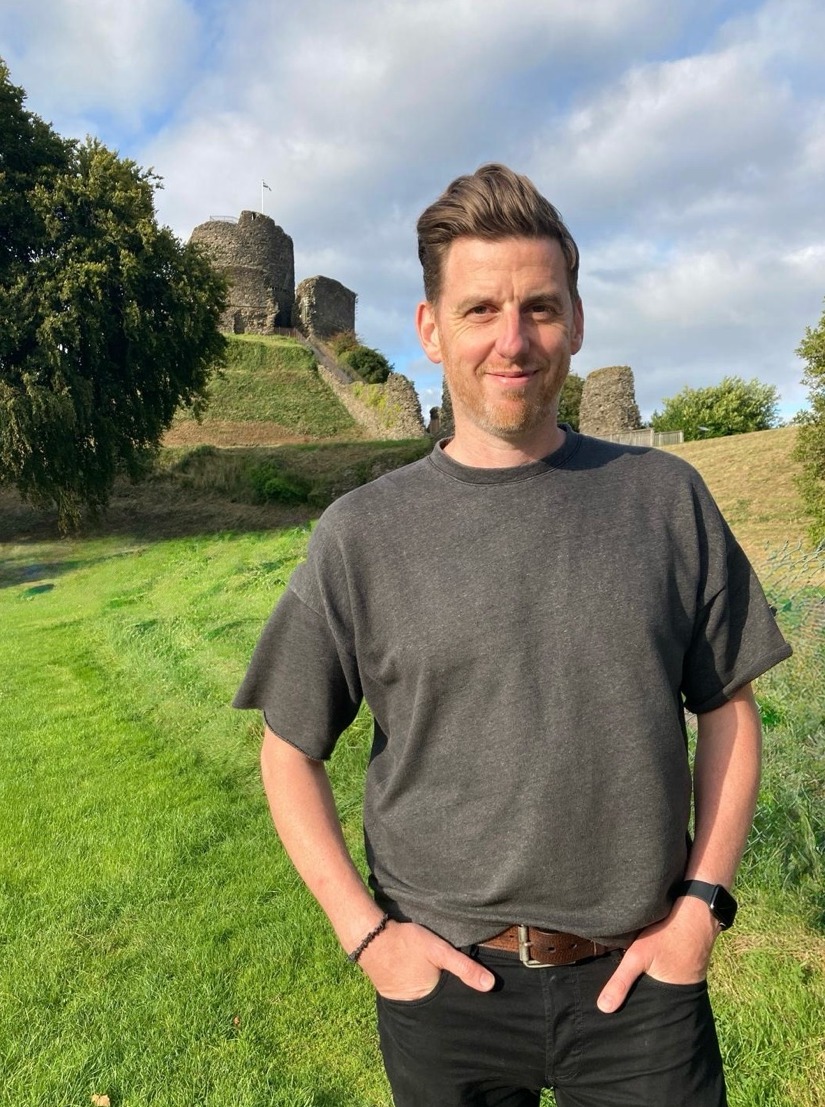
Stu Perry, Therapeutic Coach specialising in burnout and chronic fatigue recovery

In my own words

A little about my work

Lived experience.
Genuine transformation.

I work with professionals who've given everything to their careers and found themselves running on empty — navigating burnout, chronic fatigue, Long Covid, or the quiet erosion of energy and joy that comes from years of pushing through. Based in Harrogate, North Yorkshire, I work with clients online across the UK and globally.

My own journey through Long Covid recovery taught me what it's like to lose your baseline — the energy, clarity, and resilience you once took for granted. Recovery wasn't just about getting better. It was about learning to listen to my body, process what I'd been carrying, and rebuild from a more grounded, sustainable foundation.

That lived experience shapes how I work. I don't approach burnout or fatigue as problems to fix or productivity gaps to optimise. I see them as your nervous system asking — sometimes demanding — that you slow down, feel what's been suppressed, and reconnect with yourself beneath the performance.

"If you're reading this, you might recognise that feeling: capable on the outside, exhausted underneath. Still showing up, still performing, but knowing something fundamental needs to change."

Qualified Therapeutic Coach
EFT (Emotional Freedom Techniques) Practitioner
NLP Practitioner
Hypnotherapy Practitioner
Corporate Wellbeing Specialist
Based in Harrogate, North Yorkshire

View my professional directory profile →

"Stu has a deep and pure gift of listening. This, paired with his ability to reflect back what I uncovered during our sessions, really helped solidify the transformation I experienced during our time together."

— Julie S.

How I Work

You don't have to figure this out alone.

My approach is rooted in creating genuinely safe space. I work primarily through deep listening and skilful questions that help you uncover your own insights that guide you towards real lasting change, rather than surface level fixes.

01

Deep Listening

Sessions built around genuine presence rather than technique. A space where you can stop managing how you appear and be honest about what's actually happening.

02

Pattern Recognition

We explore the patterns keeping you stuck — over-functioning, the inability to rest, emotional suppression so automatic you've stopped noticing it. Understanding is the beginning of change.

03

Somatic Integration

I integrate EFT, NLP, and Hypnotherapy — woven naturally into our work rather than applied as standalone tools. EFT offers a gentle way to process emotions held in the body for years.

EFT Tapping NLP Hypnotherapy Somatic Work Parts Work Burnout Recovery Long Covid Chronic Fatigue Corporate Wellbeing

People who are ready for something different.

I specialise in working with professionals — people in leadership, demanding careers, or high-responsibility roles who've spent years prioritising everyone else's needs while neglecting their own.

You're competent, capable, and exhausted. You've tried willpower, productivity systems, and pushing through. Now you're ready for something different.

  • Recovering from burnout or chronic fatigue and struggling to find your baseline again
  • Navigating Long Covid and the loss of energy, clarity and resilience you once took for granted
  • High-functioning but aware that something fundamental needs to change
  • Carrying years of suppressed emotion beneath a capable exterior
  • Ready to stop performing and start showing up as yourself
  • A leader who wants to lead from presence rather than pressure

"Recovery isn't about returning to who you were before you burnt out. It's about becoming someone more whole — present, grounded, able to feel and rest and show up authentically."

Testimonials

What clients say.

Really enjoyed sessions with Stu, learnt a number of techniques which have definitely helped me feel more grounded and the sessions were always relaxed, and thought-provoking.

— Jon L.

Stu has a unique natural ability to hold space with understanding and compassion — I felt heard in a way I haven't before. He has equipped me with tools that have impacted my life positively and I have gained clarity to move forward.

— Fern W.

I feel incredibly fortunate to have worked with Stu. His warmth and genuine curiosity made it easy to trust him completely. Through our session I found myself connecting more deeply with my inner self, accessing a profound sense of peace and gratitude.

— Monika L.

If you are looking for someone who will truly witness where you're at, you've found your coach. Stu has a deep and pure gift of listening. His 1:1 coaching has been an incredible blessing to me.

— Julie S.

Working with Stuart felt very safe — not something I feel when starting to work with someone new. He has a very calming, curious and non-judgemental energy. I would recommend working with Stuart; it's a transformative experience.

— Victoria D.

Stu put me at ease very quickly and helped me with tools to calm my fears and nervous system, giving me space to live more freely. He made such a difference to me and my CFS recovery journey.

— Michelle S.

I would highly recommend Stu. He was extremely insightful and thoughtful throughout our work on my Long Covid recovery. The resources I learnt were invaluable — I felt in very safe hands.

— Tori E.

Stu has a lovely relaxed and professional presence which helps create a calm and safe environment. He asks skilful, quality questions which raised my awareness around parts of myself. I love how he threads EFT within the therapeutic sessions.

— Sue J.

Being coached by Stu was both positive and eye-opening. He made me feel comfortable right from the start and quickly helped me uncover the areas to focus on. Our sessions led to real, meaningful change.

— Lucy G.

Stu is a compassionate and insightful coach. The techniques he taught me, including EFT, have been helpful not only in dealing with anxiety and stress but also in looking more deeply at the root cause of these issues.

— Jilly H

His compassion and warmth shone through, and I felt very safe and comfortable working with him. I felt both seen and heard. I have got some good actionable steps to take and more confidence to take them on.

— Philippa W.

Working with Stu was really eye opening. He helped me unravel the pieces and find what was important and how to move forward. Really insightful and useful.

— Janine G.

I gained powerful new insights very quickly through Stu's careful listening and skilful replaying. I felt very comfortable with Stu as my coach.

— Elise H.

Articles

Thoughts on burnout,
fatigue & finding yourself again.

I write about emotional exhaustion, recovery, and what it actually looks like to reconnect with yourself after years of pushing through.

Burnout vs Tiredness: How To Tell The Difference

We all get tired. A demanding week at work, a run of broken nights, a busy family schedule — normal tiredness has an obvious cause and a straightforward solution. Sleep. Rest. A slower weekend.

Burnout is different.

Burnout doesn't lift after a good night's sleep. It doesn't respond to a holiday the way you hope it will. You come back from two weeks away feeling briefly better, then find yourself back in the same fog within days. Rest helps temporarily but nothing fully restores you.

The key differences: Tiredness has a clear cause, improves with rest, and feels physical. You know why you're exhausted and you know what you need. Burnout feels deeper — a flatness, a disconnection, a growing sense that something fundamental has shifted. Energy returns briefly then drains again. Motivation disappears even for things you used to enjoy. You might feel increasingly detached, cynical, or emotionally numb.

Three questions worth asking yourself:

  1. Does rest actually restore me, or do I just feel slightly less exhausted?
  2. Am I losing enjoyment in things that used to matter to me?
  3. Does my tiredness feel physical, or does it feel like something deeper — like I'm running on empty at a level sleep can't reach?

If the answer to those questions points toward something more than ordinary tiredness, it's worth paying attention.

Burnout rarely arrives suddenly. It builds slowly, often in people who are highly capable, conscientious, and committed — people who push through long after their body and nervous system are asking them to stop.

The good news: burnout is recoverable. But recovery requires more than rest. It requires understanding what drove you to that point, learning to recognise your early warning signs, and building a genuinely sustainable relationship with work, rest, and your own limits.

That's exactly the work therapeutic coaching can support.

If this resonates, get in touch. I work with professionals navigating burnout, chronic fatigue, and Long Covid recovery — helping you understand what's happening and find your way back to yourself.

What Is Therapeutic Coaching — And How Is It Different From Therapy or Life Coaching?

If you've ever looked into getting support and found yourself confused by the options — therapy, counselling, life coaching, therapeutic coaching — you're not alone. The distinctions matter, because the right kind of support depends entirely on what you actually need.

Therapy and counselling typically focus on mental health, psychological difficulties, and past experiences that are affecting your present. A therapist is trained to work with trauma, anxiety, depression, and clinical presentations. It's invaluable work — but it has a particular focus and a clinical framework.

Life coaching focuses on goals, performance, and the future. Where are you going? What's stopping you? How do you get there? It tends to be forward-facing, practical, and action-oriented.

Therapeutic coaching sits in between — and draws from both.

It's goal-oriented like coaching, but it doesn't ignore the emotional and psychological patterns that shape your behaviour, your choices, and your capacity to change. It recognises that sustainable change rarely comes from action plans alone. Sometimes what's holding you back isn't a lack of strategy. It's something deeper — a pattern, a belief, a nervous system that's been in survival mode for longer than you realise.

Who is it for?

Therapeutic coaching tends to suit people who are broadly functioning — working, managing life — but who know something isn't right. They're not in crisis, but they're not thriving either. They want practical support and real change, but they also want to understand themselves better in the process.

It's particularly useful for professionals navigating burnout, chronic fatigue, or Long Covid recovery — where the physical, emotional, and psychological are deeply intertwined and can't easily be separated.

What does it actually involve?

Sessions typically combine deep listening, skilful questioning, and evidence-based techniques — including EFT (Emotional Freedom Techniques), NLP, and Hypnotherapy — woven naturally into conversation rather than applied mechanically.

The goal isn't to fix you. It's to help you understand what's happening, access your own resources, and build something more sustainable.

If you're wondering whether therapeutic coaching might be right for you, feel free to get in touch for an initial conversation.

Why High-Achieving Professionals Struggle To Rest

You've cleared the week. The weekend is finally here. You sit down — and immediately feel restless, guilty, or vaguely anxious. You pick up your phone. You think of something that needs doing. You tell yourself you'll relax once you've just sorted that one thing.

Sound familiar?

For high-achieving professionals, rest is often surprisingly difficult. Not because they don't want it — but because somewhere along the way, they've learned to associate stillness with danger.

The productivity identity

Many driven professionals have built their sense of self around capability and output. Being busy feels safe. Being productive feels like evidence of worth. Rest, by contrast, can feel uncomfortably close to laziness — or worse, irrelevance.

This isn't a character flaw. It's usually a deeply ingrained pattern, often developed early, that got reinforced by years of reward for performance and output.

The nervous system piece

There's also a physiological dimension that often gets overlooked.

After sustained periods of stress, the nervous system can become so accustomed to high alert that downregulation — actually switching off — becomes genuinely difficult. Rest stops feeling restful. Holidays don't fully restore. The body doesn't know how to be still because stillness has become unfamiliar, even threatening.

This is particularly common in burnout and Long Covid recovery, where the nervous system has been under prolonged pressure and needs active support to find its way back to genuine rest.

What actually helps

The solution isn't usually more willpower or better time management. It's understanding the pattern underneath — why rest feels uncomfortable, what it triggers, and how to gradually rebuild a genuine relationship with stillness.

That often involves slowing down intentionally (before you're forced to), learning to notice early warning signs in the body, and developing practices that genuinely regulate the nervous system rather than simply filling time differently.

Rest isn't a reward for finishing everything. It's a biological necessity — and for many high-achieving professionals, learning to actually rest is some of the most important work they'll do.

This is work I support clients with directly. If it resonates, get in touch.

What To Expect From Your First Therapeutic Coaching Session

Thinking about getting support is one thing. Actually booking that first session is another. If you're not sure what you're walking into, here's a straightforward guide to what a first therapeutic coaching session typically involves.

It starts with you

The first session is primarily a conversation — a chance for you to share what's brought you here, in your own words, at your own pace.

You don't need to have it figured out. Many people arrive knowing something isn't right but struggle to articulate exactly what. That's fine. Part of the work is helping you find the words.

You won't be pushed anywhere you're not ready to go

A good therapeutic coaching session follows your lead. There's no agenda to get through, no pressure to go deeper than feels comfortable. The pace is yours.

That said, it isn't just a chat. Skilful questioning and careful listening often surface things you didn't expect — connections, patterns, or clarity that weren't visible before you said them out loud.

You might leave with more than you arrived with

First sessions often produce something tangible — a new perspective, a clearer sense of what you're actually dealing with, or a practical technique to try before the next session. Therapeutic coaching isn't about creating dependency on the process. It's about building your own capacity.

It's also a chance to see if we're a good fit

This matters both ways. You should leave feeling heard, at ease, and cautiously optimistic — not analysed, judged, or overwhelmed. If it doesn't feel right, that's useful information too.

A few practical things

Sessions are typically 60 minutes, conducted online via video call. You don't need to prepare anything in advance. A quiet space where you won't be interrupted is helpful. Some people find it useful to jot down a few thoughts beforehand — what's been on your mind, what you're hoping for — but it's not required.

The hardest part is usually just starting

Most people who get in touch say the same thing: they wish they'd done it sooner. The first session rarely feels as daunting as the lead-up to it.

If you're curious whether therapeutic coaching might help, I offer a free 30-minute discovery call with no obligation. Get in touch to find out more.

Begin a conversation.

If something here has resonated, I'd be honoured to hear from you. There's no obligation — just a conversation to explore whether working together feels right.

I work with a small number of clients at any one time, which means sessions are genuinely focused and unhurried.

Free discovery call

I offer a free 30-minute call with no obligation. It's a chance to talk about what you're going through and see whether working together feels like the right fit.

Message me on WhatsApp
Location
Harrogate, North Yorkshire
Online sessions — UK & worldwide

Most people who reach out say the hardest part was pressing send.